
Moving into a care home is a significant moment in an older person’s life and can often feel daunting, especially when there is a lot of new information to absorb. Recent figures (2026) suggest there are around 360,500 care home residents in England. Whether the move is carefully planned or prompted by a sudden change in health or circumstances, it is typically a major life transition. It is often accompanied by mixed emotions, including uncertainty about the future, relief that support needs are being met and the need to adjust to a new environment, routines and relationships.
At Hampton Care Home in Hounslow, we understand that the first 72 hours are not just about settling into a building, they are about becoming familiar and building trust. This early period plays a crucial role in how comfortable and confident a new resident feels in their new surroundings. This article explores what typically happens during the first three days in a care home, what families can expect, and how care teams support a smooth and reassuring transition.
A Warm Welcome & Gentle Welcome
The first day in a care home is usually centred around reassurance, with everything done gently to help a new resident feel at ease. They are often welcomed by a designated carer who already has some background knowledge about them, which helps conversations feel more personal from the start. Rather than being rushed through introductions, the new resident is shown around slowly, giving them time to take things in at their own pace. There is also space to rest after the journey, so nothing feels overwhelming on arrival.
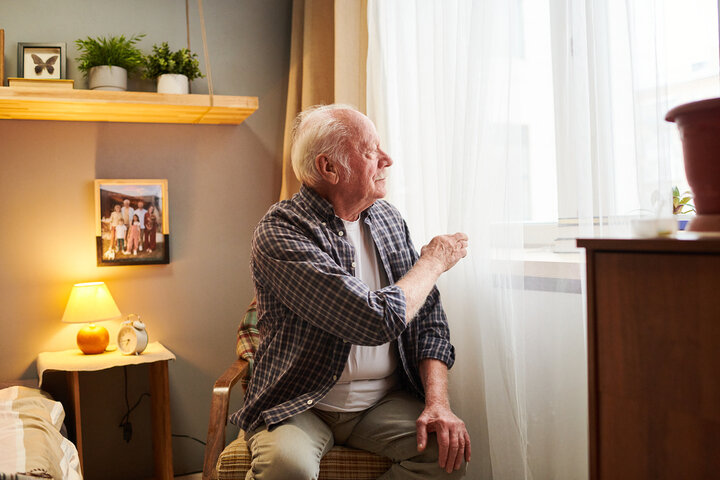
A key part of the day is being shown to their room and beginning to settle in. This is often when they start arranging personal belongings such as photographs, blankets, ornaments, or anything else that brings familiarity. Their room quickly becomes an important source of comfort, a private space that offers safety, warmth and reassurance while everything else feels new.

As the day continues, attention naturally turns to mealtimes, such as lunch. This is kept flexible and unpressured, allowing the resident to decide what feels right for them. Some may choose to join others in the dining area, while others may prefer to eat privately in their room. Either way, the choice is respected and supported, helping them ease into home life in a way that feels comfortable and natural to them.
Buildings Familiarity & Confidence
By the second day, the focus shifts from introduction to familiarisation and gentle engagement. Residents are encouraged to meet others gradually, without pressure, allowing relationships to develop at a comfortable pace. This might include observing group activities before joining in, having brief conversations with staff and meeting one or two other residents in a calm and informal way. Staff continue to support these interactions carefully, ensuring residents never feel overwhelmed or rushed. Over time, these small moments of connection help build confidence and begin to create a sense of belonging within the home.
Learning The Environment
Getting used to a new environment takes time, especially for older adults or those with memory challenges. During this stage, staff play an important role in helping residents feel comfortable and orientated within their surroundings. They often support residents by walking through key areas such as the dining room, lounge and garden, allowing them to become familiar with the layout at a relaxed pace. Orientation information is repeated calmly when needed, and consistent language and cues are used to help reduce confusion. Staff also encourage independence wherever possible, supporting residents to build confidence in moving around safely while still feeling fully supported.
Gentle Engagement In Activities
In the early days, participation in activities is never mandatory. Instead, residents are gently encouraged to engage in a way that feels comfortable for them. This may include watching an activity session, trying a simple low-pressure activity such as music, crafts, or reading, or simply spending time in communal spaces observing others. The focus during this stage is always on comfort and reassurance rather than participation, allowing residents to adjust at their own pace.
Beginning To Feel At Home
By the third day, many residents begin to experience small but meaningful emotional shifts. Although everyone adapts differently, this stage often marks the beginning of settling into routine and developing a sense of familiarity with their surroundings.
Understanding Daily Rhythm
Care homes operate with gentle, consistent routines that help structure the day. This typically includes morning personal care delivered at a preferred pace, regular mealtimes, planned activity sessions, rest periods and calm evening wind-down routines. By the third day, this rhythm often begins to feel reassuring rather than unfamiliar, helping residents feel more settled and secure.
Building Early Relationships
As familiarity grows, small interactions often start to feel more natural. Residents may begin to recognise staff members by name and face, become more comfortable with daily routines and engage in light conversations with other residents. These early connections are particularly important, as familiarity builds trust, and trust in turn helps create a sense of comfort and belonging.


Emotional Adjustment Begins
The emotional transition into a care home is often more significant than the physical move itself. By this stage, residents may start to feel less anxious about their change in circumstances, begin to recognise their room as “their space,” and feel more comfortable asking staff for help when needed. It is also common for this period to involve mixed emotions, including relief, uncertainty and gradual acceptance, all experienced as part of the adjustment process.
How Care Teams Support The Transition
A smooth and positive transition during the first 72 hours is not left to chance; it is carefully planned and supported by care teams. At Hampton Care Home Hounslow, this support is delivered through personalised care and attention to each individual’s needs.