When Coping Alone Starts To Look Different
You may begin to wonder whether your parent needs a care home when the small things start to add up. Perhaps they are eating less, rarely going out or finding familiar daily tasks harder to manage. You might be making more phone calls, arranging appointments and checking that everything is in order, even though your parent insists they are fine.
It can be difficult to know what these changes mean. Your parent may still be able to make a cup of tea, answer the phone and tell you about their day. Yet keeping everything running smoothly may be taking more effort than it once did.
Knowing when to consider a care home is not simply about whether an older person can live alone. It is about whether their needs are being met consistently, whether they feel safe and whether they have the right support to maintain their quality of life.
For many families, this realisation develops gradually rather than following one major incident. Understanding the less obvious signs can help you explore care home options thoughtfully, with your parent's wishes and dignity at the centre of the decision.
The Difference Between Coping & Managing Well
An older person may appear to be managing independently during a short visit, while finding other parts of daily life increasingly difficult. They might have a tidy living room but struggle to keep up with laundry. They may say they are eating properly, although preparing a meal feels tiring. They might tell you they enjoy going out but have gradually stopped visiting friends because walking feels less comfortable.
These changes do not automatically mean that someone needs residential care. They do, however, provide a reason to look at the bigger picture. The latest figures from the Office for National Statistics, published in April 2026, show that 8.6 million people lived alone in the UK in 2025, with 49.6% of them aged 65 or over.
Living alone does not necessarily mean someone needs additional care. The important question is whether their current circumstances continue to support their health, independence and wellbeing. If you are concerned, try looking beyond individual tasks. Consider whether your parent is maintaining their usual routines, eating and drinking regularly, staying connected with others and managing their personal care comfortably. It can also help to ask how they feel about daily life. Something that appears manageable from the outside may feel exhausting or worrying to them.
Signs Your Parent May Need More Consistent Support
One of the less obvious changes to notice is a reduction in the activities your parent enjoys. Perhaps they no longer attend a weekly group, visit friends or spend time in the garden. They may explain this by saying they cannot be bothered or that going out is too much effort.
There may be practical reasons behind these changes, including reduced mobility, tiredness or concerns about falling. There may also be fewer opportunities for companionship.
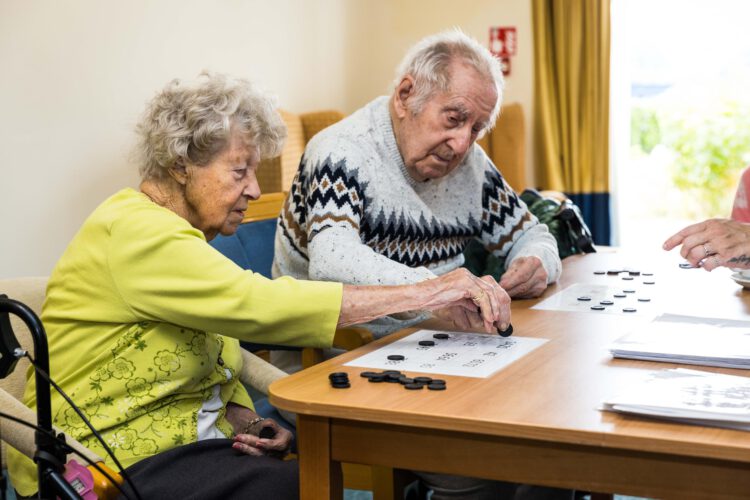
A care home can offer a different daily environment, with opportunities to share meals, take part in activities and spend time with other residents. The aim should not be to keep everyone busy, but to make social contact available in ways that suit individual interests and preferences.
For someone who values quiet time, this might mean enjoying a book in a comfortable sitting area. For another person, it could mean joining a group activity or chatting with others over a cup of tea.


Everyday Routines Are Taking More Effort
You may notice that your parent is skipping meals, wearing the same clothes more often or struggling with washing and dressing. Sometimes these changes happen because a task has become physically difficult. In other cases, memory problems, low mood or an underlying health condition may be contributing. A care home can provide assistance with personal care, meals and daily routines according to an individual's needs. Staff can also learn about a resident's preferences, such as when they like to get up, what foods they enjoy and how they prefer to spend their afternoons.
Your Parent Needs More Than Occasional Contact Can Provide
Family visits and telephone calls can be valuable, but they cannot always address every aspect of an older person's day. Your parent might need encouragement with meals, assistance with washing and dressing, reassurance when feeling confused or more opportunities to spend time with other people.
A care home brings accommodation, personal care and daily support together in one setting. Depending on the home and the person's needs, this may also include nursing care, specialist dementia support and organised activities.
The important distinction is not simply how much help someone receives. It is whether the support is suited to their individual needs and helps them maintain dignity, familiar routines and meaningful relationships.
What Could Everyday Life In A Care Home Look Like?
For families who have never considered a care home before, it can be difficult to picture what life might look like beyond the practical aspects of care.
A resident's day should reflect their preferences rather than follow a rigid routine wherever possible. Someone who enjoys a slow start may prefer a relaxed breakfast, while another person might like to get up early and spend time in a shared lounge. Activities could include gardening, music, crafts, gentle exercise or simply chatting with other residents.
For someone living with dementia, familiar objects, consistent routines and calm communication can be particularly important. Care should recognise their personal history and identity, not just their diagnosis.
Relationships matter too. Residents should have opportunities to maintain contact with family and friends, welcome visitors and continue activities that give them enjoyment. A care home will not remove every difficulty associated with ageing or ill health. However, the right setting can bring daily support and opportunities for companionship into a person's life, tailored to their circumstances.
Frequently Asked Questions
How do I know if my parent is coping or just getting by?
Look for changes in their usual routines, social activities, eating habits, personal care and confidence. Consider whether they are managing comfortably or putting considerable effort into everyday tasks. If you are concerned, seek professional advice and explore whether a care needs assessment would help.
Does my parent need to have a fall before moving into a care home?
No, families do not need to wait for a serious incident before exploring care. Changes in mobility, personal care, memory, health or social wellbeing may justify considering additional support. The decision should reflect the person's overall needs rather than one incident alone.
Recognising When Something Needs to Change
It can be difficult to acknowledge that a parent may need more support, particularly when they have always valued their independence.
You may have spent months adjusting routines, checking in more often and quietly taking on extra responsibilities. Recognising that these arrangements may no longer meet every need is not a sign that you have failed. It is an opportunity to look at what would best support your parent's wellbeing.
A care home may be worth exploring when living alone becomes difficult to manage or when more consistent personal, social or nursing support is needed. Taking time to understand the options can help your family make a thoughtful decision that respects your parent's wishes.
If you would like to learn more about care home options for a loved one, an experienced care team would be happy to answer your questions and help you understand the types of support available.
We Are Here To Help You Find The Right Care For Your Loved One
If you’re considering care for a loved one, the team at Hampton Care Home is here to listen, answer your questions and help you explore your options when you feel ready.