How a Care Home Supports Someone Living with Dementia
Living with dementia can be challenging not only for the person affected but also for family members and loved ones who take on a caring role. As it progresses, everyday tasks can become increasingly difficult and safety concerns can arise. When someone reaches this stage in their journey, a care home can provide essential support, offering a safe and supportive environment tailored to the needs of those with dementia.
In this blog, we will explore what dementia is, how care homes in Hounslow support those living with dementia and when you should consider a care home for a loved one.
What is Dementia and What Impact Does It Have?
Dementia is one of the UK’s biggest health challenges. Around 982,000 people are currently living with dementia in the UK, and this number is expected to rise to approximately 1.4 million by 2040.
Dementia affects several parts of the body, including memory, mental capacity and physical health, often making it harder for those living independently in their own home. Dementia progresses differently for each person, but most people will often eventually need additional support.
As somebody experiences cognitive decline, it's important that they receive support tailored to their individual journey. Care homes have dedicated teams that are trained to support individuals living with dementia to ensure they maintain their independence and dignity for as long as possible.
How a Care Home Supports Someone Living with Dementia
A Safe and Supportive Environment
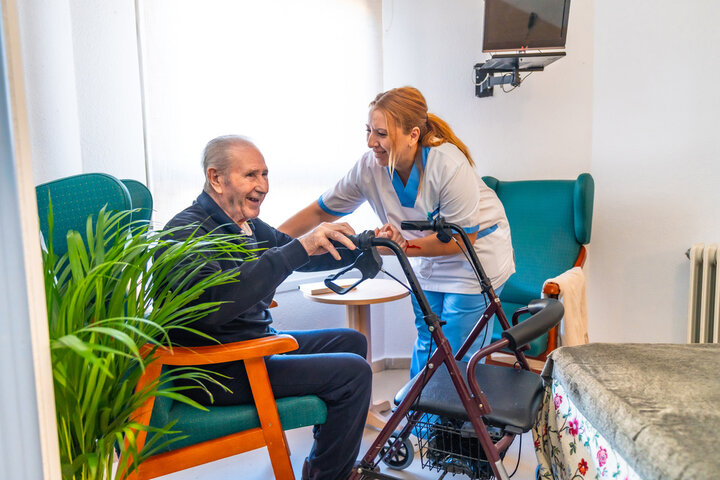
A care home provides a secure and supportive environment specifically designed for those living with dementia. They can offer a dementia-friendly environment, with clear signage, contrasting colours, natural lighting and simple layouts. This is especially important as dementia progresses and safety concerns increase. Residents can still find familiarity in their environment, especially their bedrooms, as care homes encourage them to personalise them with small items of furniture or memorabilia.
With trained professional carers and a dedicated team available 24/7, care home staff can monitor residents, reduce risks and provide reassurance to both you and your loved ones.
Personalised Care Plans and Comprehensive Care
Every person living with dementia has unique needs. A high-quality dementia nursing home will carry out a needs assessment upon admission and develop a personalised care plan that reflects the individual’s preferences, health needs and daily routine. This is made in collaboration with residents, their loved ones and when appropriate, other healthcare professionals. The care plan will follow them throughout their entire journey and be updated as their needs or preferences change.
This ensures that the dementia care offered is flexible and fully tailored to each individual's experience, which contributes to them enjoying an improved quality of life.
Support With Everyday Tasks
As dementia affects memory and physical health, everyday tasks such as dressing, eating and bathing can become difficult. Care home staff provide respectful personal care and support residents in maintaining their dignity and independence. Below are some ways in which care homes support residents to ensure they can focus on the things they love most:
- Mobility assistance
- Physical health monitoring
- Managing or administering medication
- Discreet dining support
- Assistance with washing or dressing

Social Opportunities and Dementia Friendly Activities
Social interaction plays a vital role in dementia care. Interacting with like-minded individuals or familiar team members can have a huge impact on overall well-being. Many care homes offer dementia-friendly activities led by in-house activity coordinators, tailored to individual preferences and capabilities. Common examples include:
- Music therapy
- Reminiscence sessions
- Chair-based exercises
- Gardening
- Arts and crafts
- Sensory activities
A structured daily routine helps those living with dementia feel more secure and engaged, while also supporting their emotional well-being.
When Should Someone with Dementia Go Into a Care Home?
Deciding when somebody living with dementia should move into a care home is never easy and takes a lot of time and consideration. However, there are clear signs that additional support may be needed:
- Increasing safety concerns in their own home
- Difficulty managing everyday tasks
- Declining physical health or mobility issues
- Increased pressure on family members and other carers
- Behavioural changes
- Increased memory loss
A needs assessment conducted by the local authority or social services can help determine the appropriate level of care. Also, the care team can support with understanding care needs and the transition into a care home.
Support For Family Members and Friends
A care home doesn't just assist those receiving care. They understand how difficult the transition can be for all members of the family, so they extend their support and expertise to them as well. They are encouraged to visit regularly, spend quality time together and remain involved in their loved one's care journey. Family members can also benefit from local support groups, online forums or chatting with the care team.
Knowing that a loved one is being cared for to the highest degree can provide great peace of mind to family members and friends, and ensure they can spend visits focusing on making new cherished memories.



Why Choose Hampton Care Home for Dementia Care?
At Hampton Care Home, we understand that choosing the right support for someone living with dementia is a deeply personal decision. Our dedicated team of carers are committed to providing the highest levels of dementia care in a safe, supportive environment where every person is treated with dignity and respect.
We take the time to get to know each individual, creating personalised care plans that reflect their preferences, life history and changing needs as dementia progresses. From tailored activities and meaningful social interaction to compassionate personal care, our approach is centred around making daily life as comfortable and fulfilling as possible.
Our dementia friendly environment is designed to promote independence while ensuring safety, which gives both residents and their loved ones peace of mind. Whether someone is in the early stages or later stages of dementia, we go the extra mile to provide comprehensive care that supports both physical health and emotional well-being.
Book a Visit or Speak to Our Team
If you are considering care homes for yourself or a loved one, we are here to help. Contact us today to arrange a visit, speak with our team, or learn more about how we can support you and your loved ones.